
If your baby spits up after most feeds but is gaining weight and seems happy, they are a "happy spitter." This is a normal physiological process, not a medical condition requiring medication or expensive formula changes.
It is incredibly messy, and often alarming for new parents, to see what looks like an entire bottle's worth of milk come right back up. However, uncomplicated reflux—often referred to medically as Gastroesophageal Reflux (GER)—is essentially universal in infants. The sphincter muscle between a baby's esophagus and stomach is simply immature and loose, allowing liquid milk to easily slosh back up, especially when combined with swallowed air (gas).
As long as the baby is gaining weight appropriately and is generally content, pediatricians consider this normal spit-up. It peaks around 4 months of age and typically resolves entirely by the time the baby is sitting up independently and eating solid foods (around 6 to 8 months).
True Gastroesophageal Reflux Disease (GERD) is much rarer. GERD occurs when the refluxed stomach acid causes actual damage to the esophagus, leading to severe pain, poor weight gain, and feeding aversions. For the vast majority of infants, the issue is not painful acid, but rather the sheer volume of milk and the mechanics of feeding. Addressing the physical mechanics of how the baby eats is the most effective first step.
When it is NOT just normal
Normal spit-up is messy but harmless. You must contact your pediatrician if you observe any of these red flags, which indicate the issue may be more serious than a loose stomach sphincter:
- Projectile Vomiting: If the milk is forcefully ejected across the room, rather than rolling out of the mouth. This can be a sign of pyloric stenosis, a condition requiring urgent medical attention.
- Bilious Vomit: Any vomit that is green or yellow-green must be evaluated immediately in the emergency room, as it can indicate a bowel obstruction.
- Blood: Any sign of blood in the vomit (which can look like red streaks or dark coffee grounds) or blood in the stool.
- Pain and Arching: If the baby consistently screams in pain, severely arches their back, and refuses to feed during or immediately after meals.
- Failure to Thrive: If your baby is not gaining weight or is dropping percentiles on their growth chart.
If any of these symptoms are present, do not rely on home remedies. Consult your doctor.
Furthermore, a baby who cries constantly from what you suspect is gas or reflux can push caregivers to the brink. Remember the Period of PURPLE Crying. If you are frustrated, put the baby down in a safe space and step away for five minutes.
What to try tonight
If you are dealing with a fussy, gassy baby who spits up frequently, try these immediate, free mechanical adjustments to their feeding routine:
- Upright Feeding: Hold your baby at a 45-degree angle or higher during feeds. If bottle-feeding, use paced feeding techniques to slow the flow of milk and reduce swallowed air.
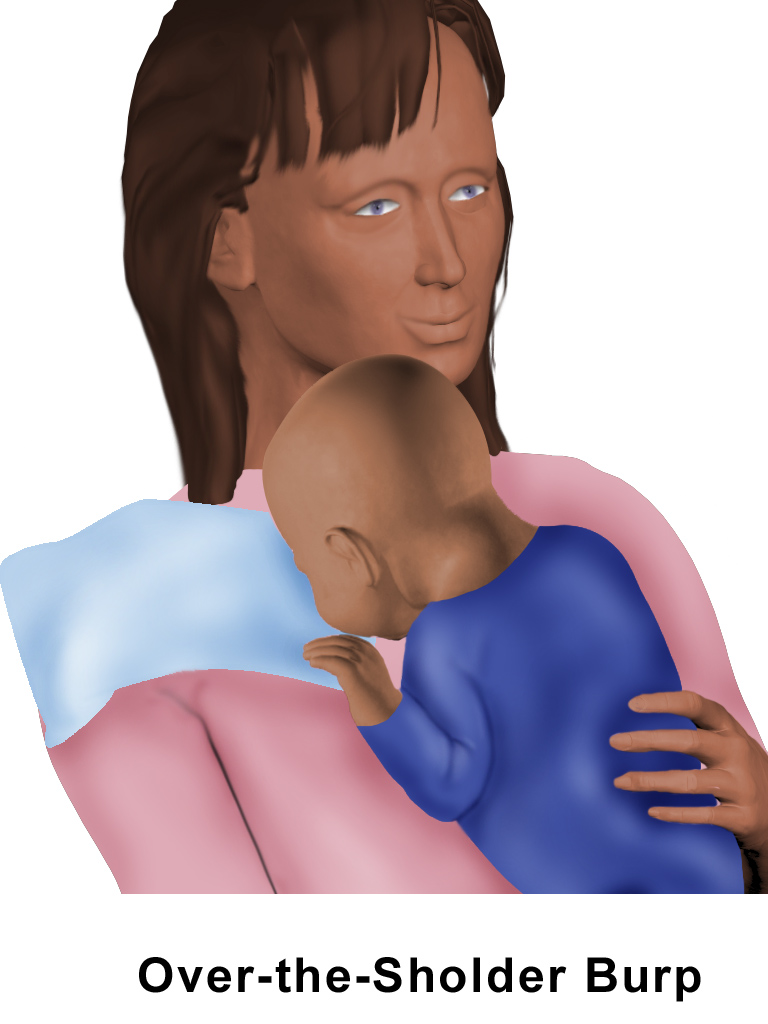
- Mid-Feed Burping: Do not wait until the end of the feed to burp. Stop every ounce or two (or when switching breasts) to bring up trapped air before more milk goes down on top of it.
- Keep Upright After Feeds: Keep the baby upright over your shoulder or sitting quietly on your lap for 20 to 30 minutes after feeding before laying them flat.
- Tummy Time (When Awake): Frequent supervised tummy time when the baby is awake and not immediately full can help strengthen core muscles and naturally expel gas.
Keep the story simple
These changes can make feeds more comfortable for some babies, but they do not diagnose the reason for spit-up or prove that a change caused it. If feeding is painful, growth is a concern, or the red flags above are present, contact your child’s clinician rather than continuing to troubleshoot at home.