
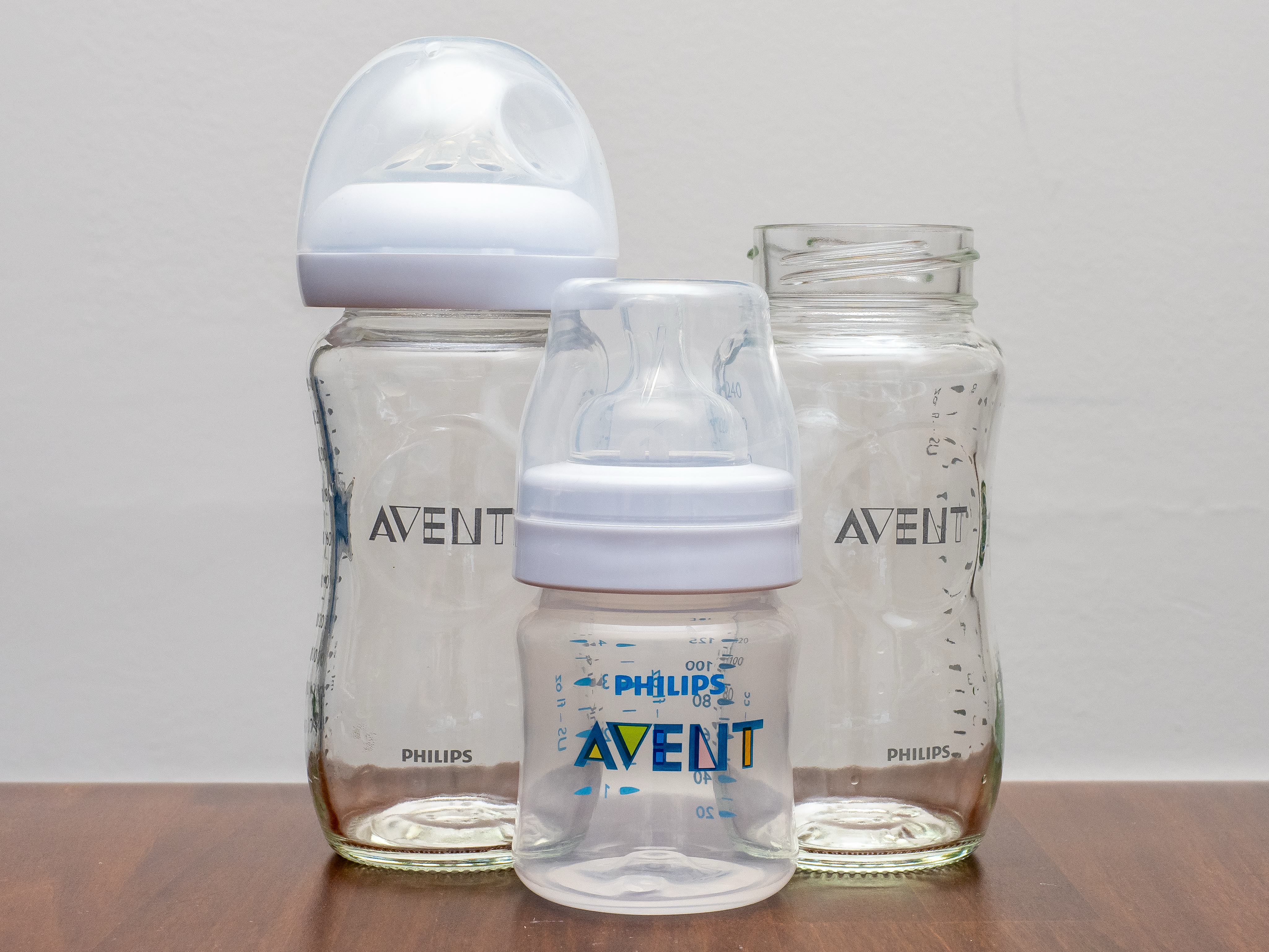
True cow's milk allergy (CMA) is surprisingly rare, affecting roughly 0.54% of infants. While many parents suspect formula is causing their baby's colic, crying alone is almost never a symptom of a dairy allergy.
When you have a baby who cries for hours every evening, it is entirely natural to look for a definitive cause you can fix. The most common target of this search is the baby's diet, specifically cow's milk proteins found in standard infant formula or passed through breastmilk. Online forums are filled with advice to immediately switch formulas or eliminate dairy from the mother's diet to "cure" colic. However, the medical data suggests this is rarely the answer.
The EuroPrevall birth cohort, a massive study involving approximately 12,000 infants, sought to determine the true incidence of food allergies using the gold standard of diagnosis: double-blind, placebo-controlled food challenges. The results were striking. While many parents suspected an allergy, the study confirmed that the actual incidence of cow's milk allergy in children up to two years of age is only 0.54%. This is significantly lower than older estimates that relied on parent-reported symptoms without clinical confirmation.
Expert pediatric consensus is clear: fussiness, irritability, or colic—when presented as the *only* symptom—is not suggestive of Cow's Milk Allergy. True CMA typically presents with a constellation of symptoms that go beyond just crying.
When it is NOT just normal
While crying alone is usually just colic, you should contact your pediatrician if the crying is accompanied by the physical symptoms that actually indicate a potential allergy or other medical issue:
- Gastrointestinal Symptoms: Frequent, forceful vomiting (not just normal spit-up), diarrhea, or noticeably bloody or mucous-filled stools.
- Skin Reactions: Hives, severe eczema that is not responding to standard treatments, or a rash that appears immediately after feeding.
- Respiratory Issues: Wheezing, chronic coughing, or difficulty breathing, especially during or immediately after a feed.
- Failure to Thrive: Poor weight gain or a sudden drop across growth percentiles.
If your baby exhibits any of these red flags, they need to be evaluated by a doctor, not treated with a haphazard formula switch.
Additionally, if the crying is overwhelming you, remember the Period of PURPLE Crying. It is safe to put the baby down in their crib and take a five-minute break.
What to try tonight
If you are dealing with a crying baby tonight and suspect gas or digestive discomfort, try these immediate, free strategies before rushing to buy a new formula:
- Bicycle Legs: Lay your baby on their back and gently cycle their legs in a pedaling motion toward their tummy. This physical movement can help expel trapped gas.
- Upright Feeding: Ensure you are feeding your baby in a more upright position, whether by bottle or breast, to reduce the amount of air they swallow.
- Frequent Burping: Pause every ounce or two during a bottle feed, or when switching breasts, to thoroughly burp your baby.
- Tummy Massage: Gently massage your baby's tummy in a clockwise direction (following the path of the digestive tract) using light pressure.
The structured trial
If you and your pediatrician suspect Cow's Milk Allergy, the diagnostic protocol is not simply switching formulas and hoping for the best. The medical standard is an elimination trial *followed by a reintroduction*.
To determine if dairy is truly the culprit, you must follow a structured two-to-four-week trial. Under a doctor's guidance, you will switch the baby to an extensively hydrolyzed formula (where the milk proteins are broken down) or eliminate all dairy from the breastfeeding mother's diet.
During these 14 to 28 days, track the baby's crying and any physical symptoms (like rashes or stool changes). If the symptoms completely resolve, the first step is complete. However, to confirm the diagnosis and ensure you aren't committing to an expensive, specialized diet unnecessarily, you must do the reintroduction phase. You slowly reintroduce cow's milk protein. If the exact symptoms return upon reintroduction, CMA is confirmed. If they do not return, the initial improvement was likely just the natural resolution of colic, and you can safely return to standard formula or a normal diet.